
7 Unique Entertainment Ideas for Bay Area Parties (That Aren't Overdone)

Having a photo booth won’t set you apart. They're fun, but they’re everywhere.
There’s nothing wrong with it. But if you're planning a Bay Area party and you want guests to still be talking about it on Monday, you need something a little more novel. Something they haven't seen before. Something that earns the story they'll tell later.
People go to a lot of company events in the San Francisco Bay Area. A memorable one takes a little more thought, but there are plenty of great possibilities.
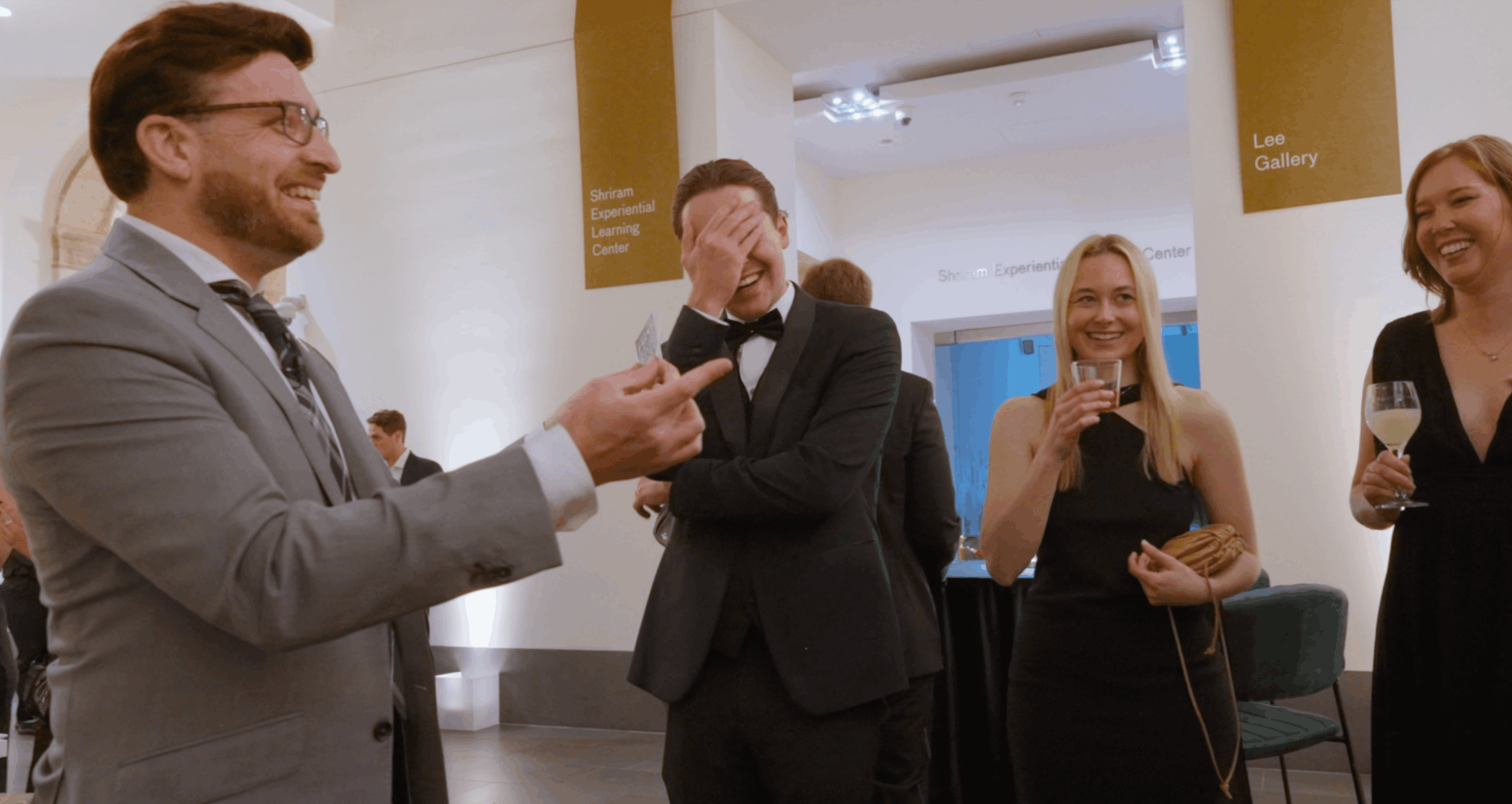
1. Close-Up Magic (Done Right)
People really do just love magic. It’s fascinating. It’s delightful, and it’s exactly the right amount of interactive. Guests get to talk to the magician, but they’re never on the spot. Mingling magic also solves a lot of problems. You know how awkward it is to be one of the first people to arrive at a party? Well... having a magician there structures the beginning of the event, gives people a warm welcome, and gives people something to talk about.
Are there people who don’t know each other well. A good mingling magician can bring new groups of people together, and give them something to start talking about.
And it’s opt in. Guests who want to engage, do. Guests who don't watch from a comfortable distance. Nobody is trapped.
What makes it work for Bay Area crowds specifically is that the best modern close-up magic is honest about what it is. It's not pretending to be real. It's inviting the audience to watch something impossible happen right in front of them, knowing it's a trick, and still not being able to explain it. That combination, treating magic as a genuine puzzle rather than a supernatural claim, lands differently with a curious and intellectually engaged crowd. They respond to it the way they respond to a good problem they can't solve.
Close-up magic works across almost every format: cocktail receptions in Soma, private parties in the hills above Oakland, fundraisers in Pacific Heights. Corporate on sites and offsites. Awards dinners. It scales to any room size and requires no setup. For versatility alone, it belongs at the top of this list.
And of course, this is one of the types of magic that I do.
2. A Professional Puzzle Hunt
These have become more and more popular every year. And for good reason. The game design has been getting better and more engaging, and the stories have become more compelling too.
The Bay Area is one of the best places in the world to run this kind of experience. The audience for it is here in force: engineers, executives, and people who genuinely enjoy the process of figuring things out. Give them a puzzle that respects their intelligence and they will compete with an enthusiasm that's almost alarming to watch.
The key distinction is quality of design. A well-designed puzzle hunt has internal logic, a story it's telling through the puzzles, and a payoff at the end that feels earned. A bad one is a list of trivia questions with a theme. The difference is immediately obvious to a Bay Area crowd.
Companies like Google have commissioned full-scale immersive puzzle experiences for their team offsites. There's a reason for that: nothing builds camaraderie faster than solving something difficult together, especially when the experience is well-crafted enough to make everyone feel clever.
If you want to learn what’s possible, talk to the Enemies of Time, who do some of the best work in this style in San Francisco.
3. Lego and a Challenge for Bay Area Tech Teams
It’s time we all admit we just love Lego.
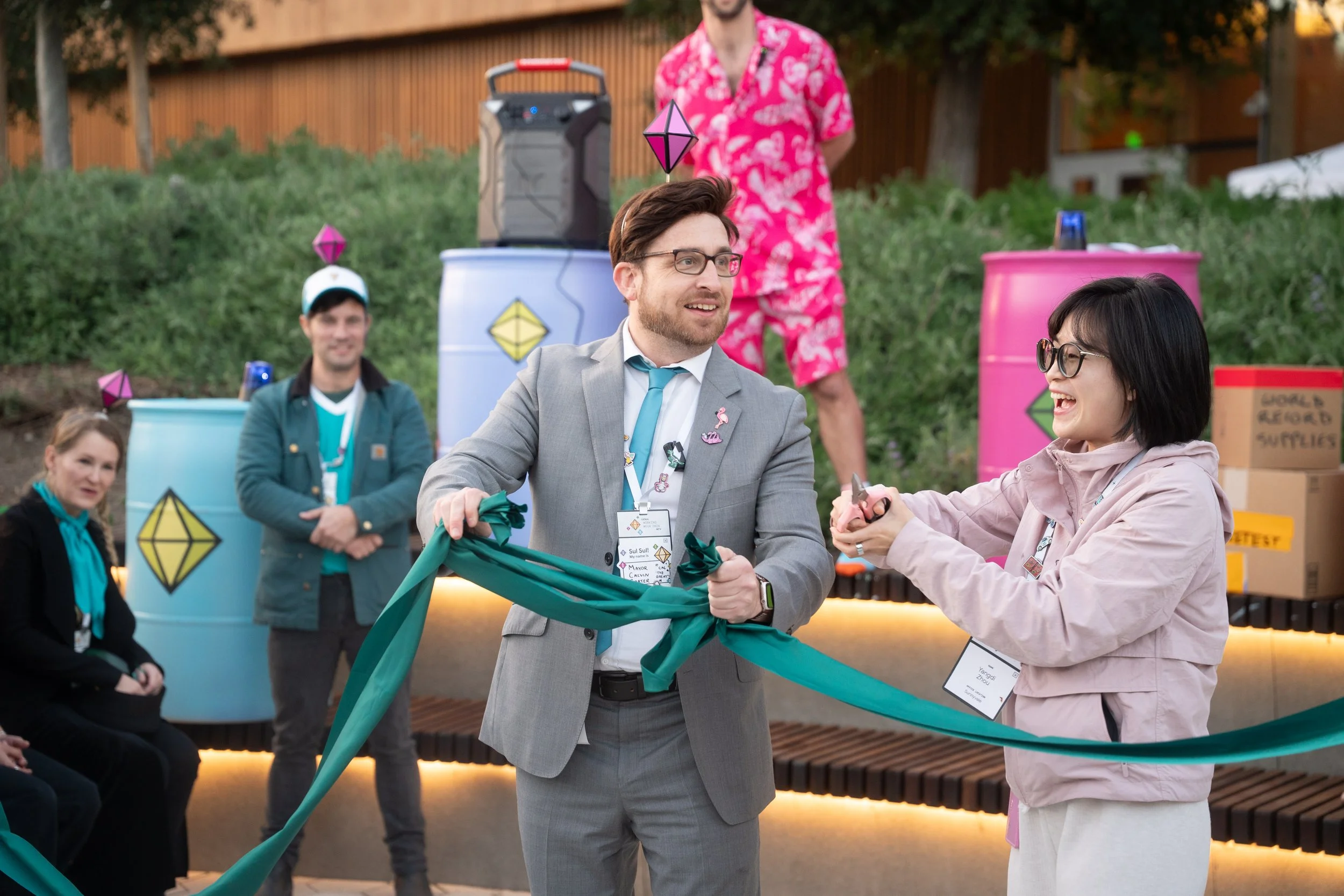
The Bay Area has a higher concentration of engineers and builders than almost anywhere else, whether they're working out of a Soma startup, a South Bay campus, or a Berkeley research lab. And they have a complicated relationship with Lego. Most of them grew up with it. Some of them still have a set somewhere. Give a room full of senior engineers a structured building challenge with real constraints and a timed deadline, and something interesting happens: they get serious about it. Lego for adults have become a phenomenon. You can bring a custom challenge to your group.
That's the whole point. A well-run Lego challenge creates teams, introduces real stakes in a low-pressure way, and channels the competitive energy that naturally exists in most tech teams into something constructive and a little ridiculous.
The format works best when the challenge is specific and a little absurd. Not just "build something tall." Build a structure that can hold the most weight. Build a vehicle that has to travel the furthest down a ramp. Build something that tells the story of a project your team actually shipped. The more precise the constraint, the more engaged the room tends to get.
It's one of the more underrated options on this list for Bay Area tech teams, partly because it sounds too simple. In San Francisco, that's almost always a point in its favor.
4. A Stage Magic Show with a Point of View
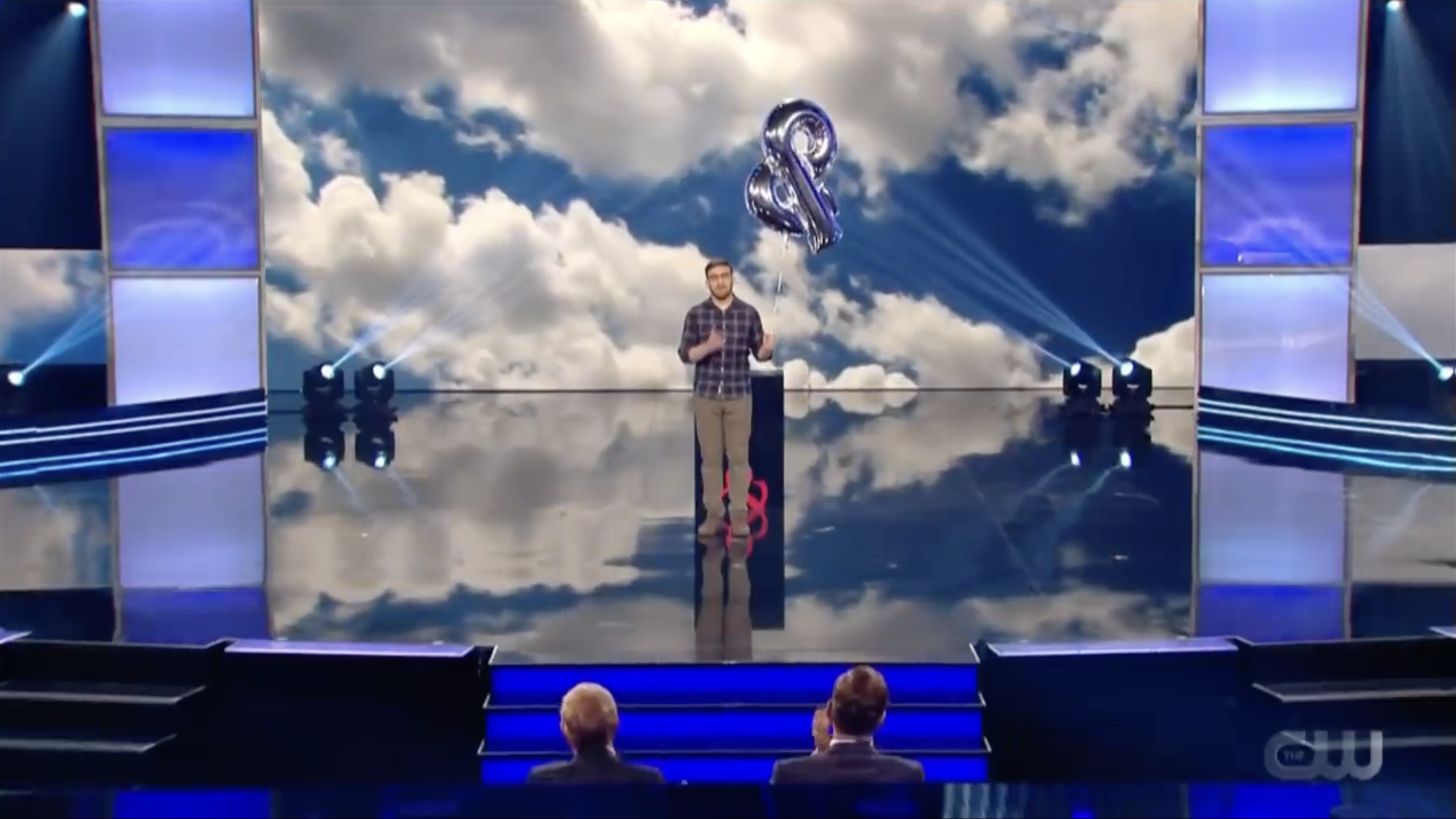
Different from close-up magic, and worth distinguishing. A stage show is a structured performance for the whole group, typically 45 minutes to an hour, best suited to seated dinners, award banquets, and all-hands events, from company celebrations at a Soma venue to award nights at a hotel in Nob Hill.
What makes it worth doing, rather than just a box to check, is a show built around something real. An aesthetic. A perspective on what magic is and why it matters. Not a series of disconnected tricks. An experience that gives the audience something to think about after the lights come up.
The best corporate magic shows in the Bay Area have something to say, about perception, about deception, about the strange experience of watching something impossible and knowing it's a trick and still not being able to explain it.
Once again, if you’re interested, feel free to talk to me, Michael Feldman. I’m happy to help you out.
5. A Cooking Class or Craft Drinks Workshop
Here's what actually works about it: the activity is the structure. Everyone is focused on the task, which means there's no pressure to perform extroversion. If you want to talk to the person next to you while you're measuring spices or practicing latte art, you can. If you need to retreat into the precision of the technique for a few minutes, you can do that too. Both are completely acceptable. The instructor provides enough direction that nobody feels lost or put on the spot.
And then the event ends, and you sit down together to eat or drink what you just made. That's not incidental. That's the whole design. The social time at the end doesn't require anyone to invent small talk, because the conversation is already there. "What was harder than you expected?" is a real question with a real answer, and everyone's been living that answer for the last hour.
The Bay Area has genuinely excellent options: tea blending classes, non-alcoholic cocktail crafting, latte art workshops, Japanese cooking classes in Japantown, dim sum making in the Richmond. It works for corporate offsites, team celebrations, and private parties. The key, as always, is finding an instructor who's genuinely in love with the subject. That enthusiasm travels.
6. A Craft Class
Same logic as the cooking class, with one meaningful difference: the thing you make sits on your desk for years.
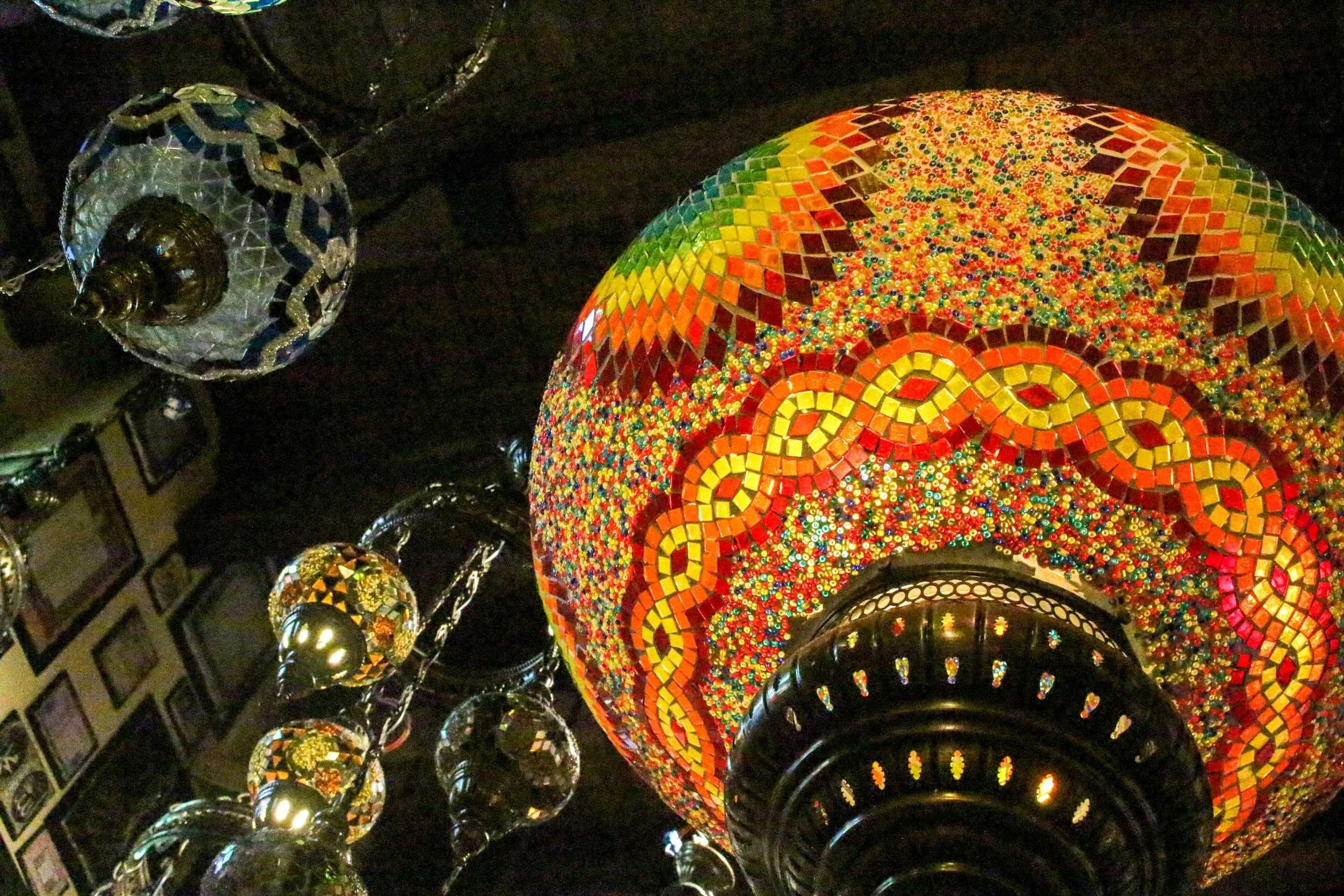
Kintsugi (the Japanese practice of repairing broken ceramics with gold), mosaic making, Turkish mosaic lamp workshops, natural dye work, candle making: all of them follow the same social structure. The activity provides direction and focus. The instructor holds the experience together. People can engage with their colleagues as much or as little as they want, without anyone having to manufacture conversation.
The specific advantage over a cooking class is the object. When the event is over, everyone takes something home that they made with their hands, in a room full of people they work with, on a specific night they can point to. It ends up on a desk or a shelf. It ends up in the background of a Zoom call. Someone sees it, asks about it, and the conversation about that evening happens again weeks or months after the event itself is over.
That's a meaningfully different kind of team building than a dinner that's forgotten by Thursday. Turkish mosaic lamp workshops have multiplied across San Francisco and Oakland for a reason: the lamps are beautiful, people actually use them, and finishing one feels like a genuine accomplishment. The East Bay also has a particularly strong craft studio scene if you want to take the group across the Bay.
7. An Immersive Experience or Escape Room
These are not the same thing, and the distinction matters.
An escape room is puzzle-forward: locks, clues, a clock, and a clear objective. You either solve it or you don't. The social experience is built around problem-solving under shared pressure, and for a lot of teams that's exactly what they need. The rules are given to you. The goal is obvious. Nobody has to decide what the group is doing.
An immersive experience is story-forward: characters, a world, a narrative you're inside of. Puzzles may or may not be part of it. What it provides is a constructed reality with its own logic, where the right way to interact with other people is defined by the story rather than by whoever happens to be the most socially confident person in the room.
San Francisco and the broader Bay Area have one of the densest concentrations of immersive theater talent in the country. That ecosystem matters, because it means there's real expertise available to hire, not just generic vendors. What most people don't know is that there's a whole industry of companies that will design customized versions of either experience for a specific team. I specifically recommend the Enemies of Time. Not a generic escape room from a strip mall. A narrative built around your company's culture, inside jokes, real project names, actual team dynamics. The experience can be a celebration of something the team shipped, a satirical take on something everyone complains about, or a completely original story with your colleagues as the characters. For Bay Area tech teams, that kind of investment tends to generate genuine, lasting goodwill that a catered lunch does not.
-
Close-up magic works for more event types and sizes than almost anything else on this list. It scales from 10 guests to 500, requires no stage or AV setup, and creates moments that feel personal even in a large crowd. For Bay Area audiences specifically, a modern and honest approach to close-up magic tends to land exceptionally well.
-
It depends on the goal. For team bonding, a cooking or craft class, puzzle hunt, or immersive experience creates shared stakes and genuine collaboration. For an award dinner or all-hands, a stage show gives everyone a shared experience to react to. For a cocktail reception, close-up magic keeps energy up without requiring the room to stop and pay attention.
-
Cooking classes, craft drinks workshops, and craft classes work well because they give everyone something to focus on that isn't each other. Guests who want to socialize, can. Guests who need to retreat into the task, can. Both are completely acceptable, which removes the pressure that pure networking events create. The shared meal or handmade object at the end gives everyone a natural conversation topic without requiring anyone to invent small talk.
Mingling magic also works really well because a talented magician can help make people feel both comfortable and entertained. He can bring groups of shy guests together to chat enthusiastically about the miracles they just saw.
-
Yes, of course. And for most options on this list, customization is worth pursuing. A close-up magician can incorporate company names, inside jokes, or a guest of honor's details. A puzzle hunt can be built around the company's culture and history. A custom immersive experience can incorporate real team dynamics, actual project names, and inside references that make it feel like it was created specifically for your group. Entertainment that feels bespoke almost always outperforms entertainment that could have been booked anywhere.
Of the seven options on this list, I personally do two of them: close-up magic and stage shows. I've been performing both across the Bay Area for over 20 years, for everything from 10-person private parties to 2,000-person corporate events. If either sounds like the right fit for what you're planning, reach out. Tell me what you're trying to create and I'll tell you honestly whether I can help. If I can, I'll make the whole thing easy.
Check Michael's availability →
Michael Feldman is a San Francisco-based corporate magician specializing in events across the Bay Area, from cocktail receptions in Soma to stage shows for company all-hands. His performances focus on sleight of hand, transparency, and creating experiences guests actually talk about afterward.
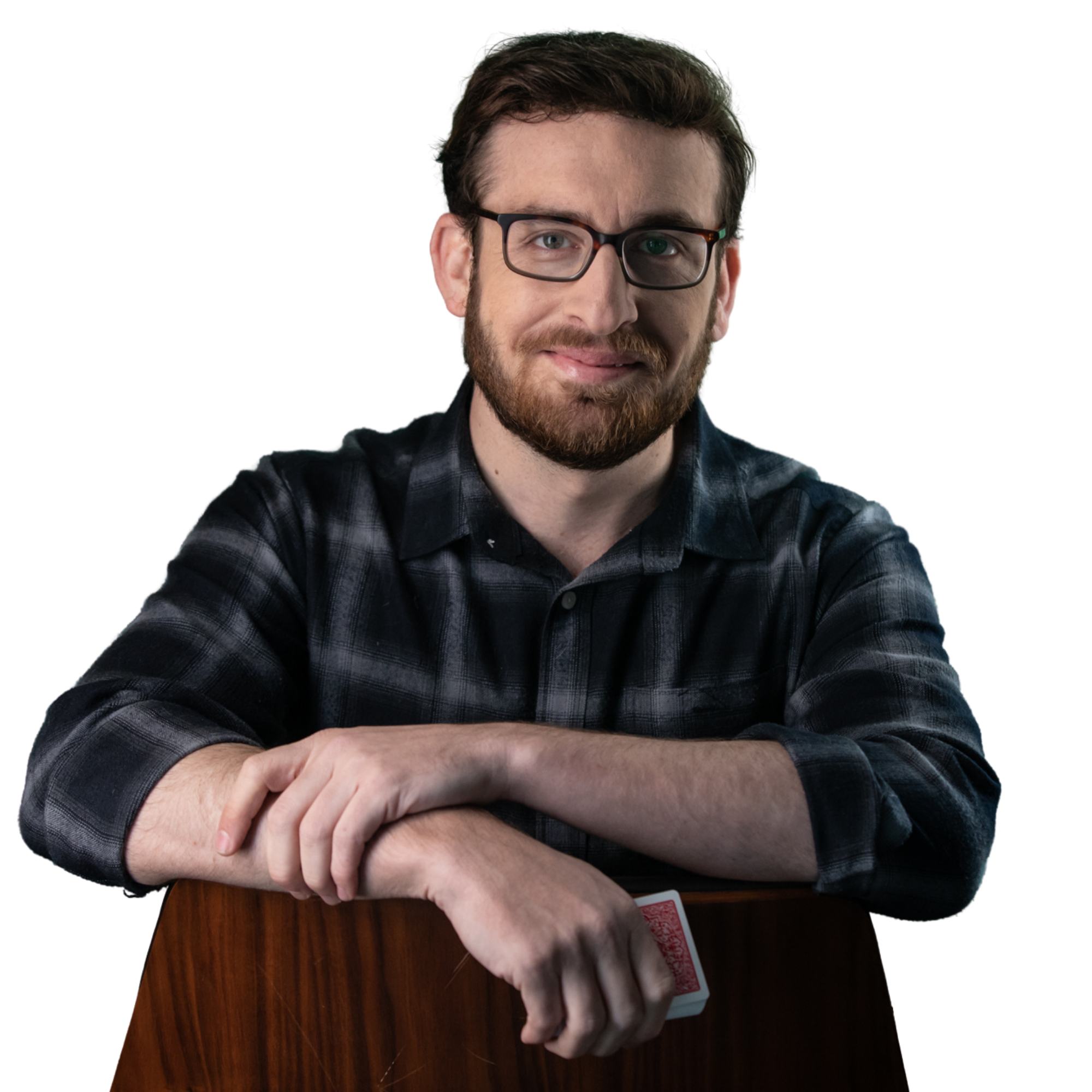
Michael Feldman is a San Francisco based magician specializing in corporate events and private parties across the Bay Area. His contemporary, story-driven performances are designed to engage audiences and create interactive moments people will be talking about for years.