
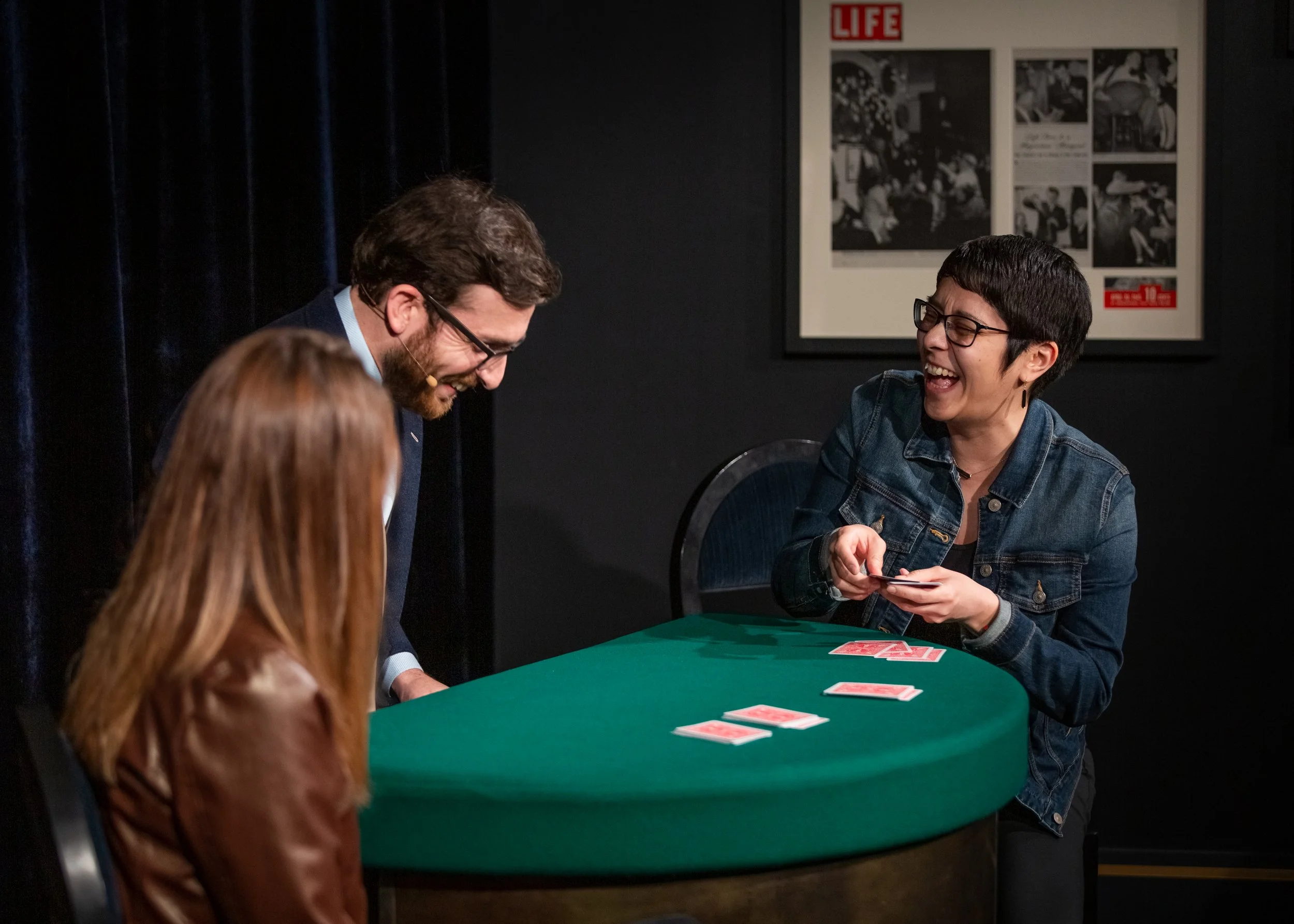
What's new? That's the question.
The Bay Area has a higher concentration of engineers, executives, and highly educated professionals than almost anywhere else. They go to a lot of events. They've seen a lot of entertainment. They're genuinely playful, curious, and up for a good time. But they'll clock a generic, play-it-safe experience immediately.
The question isn't whether they'll enjoy your event. It's whether they'll remember it.
Know the San Francisco Audience
Bay Area audiences, especially at corporate events, have a reputation for being hard to impress. That's only half right.
It's not too hard to impress them, but they don't want to feel patronized.
If they could have easily Googled the experience, it won't impress them. Surprise them, and you've captured their attention. Give them something with a real point of view, a little mystery, and room to figure things out themselves? They're all in. They bring their actual curiosity to the room. They'll be raving to people who weren't there.
The bar isn't "impressive." The bar is authentic and new.
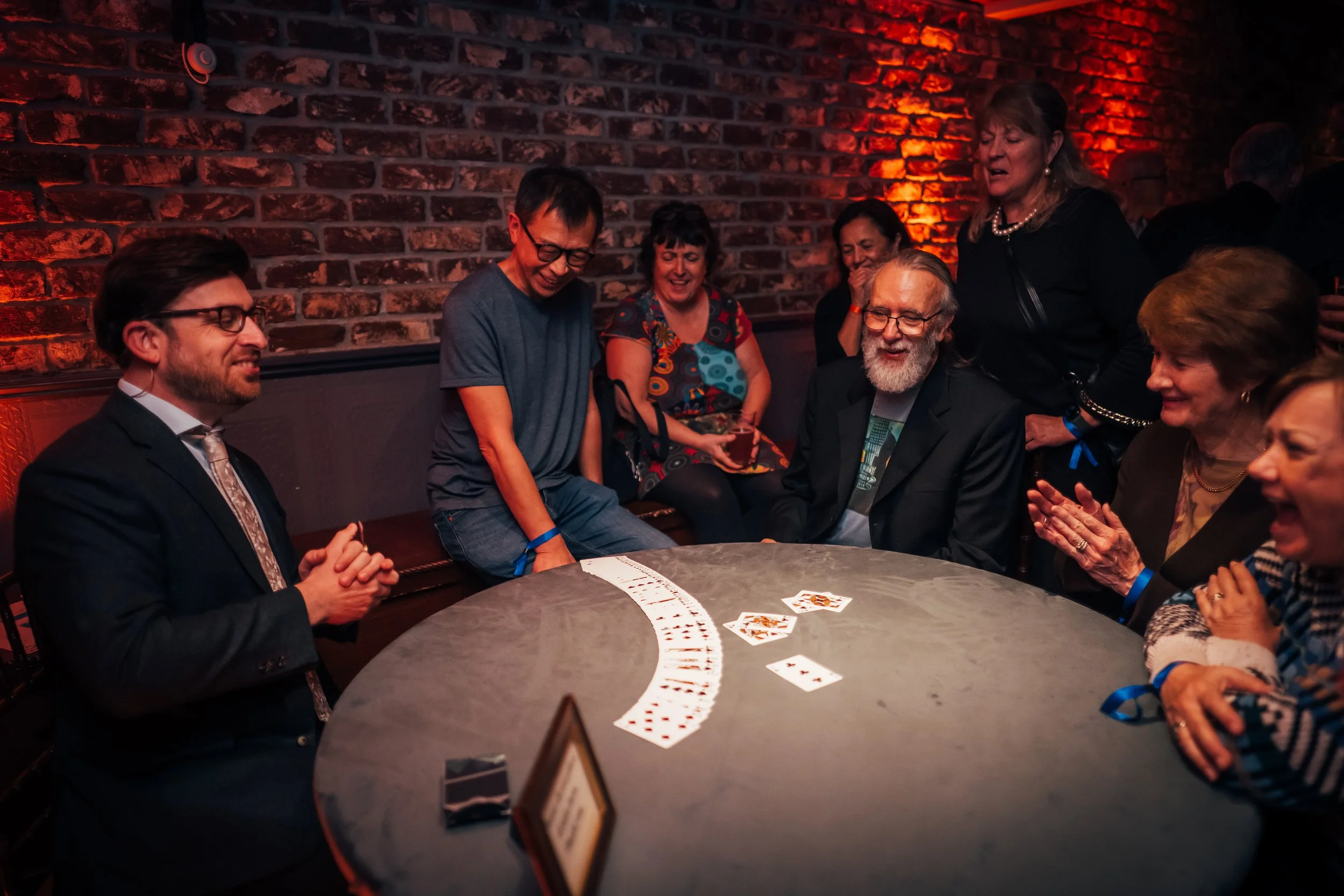
Before you look at who to hire, ask what you're actually trying to accomplish
This is the question most people forget to ask. They start searching for entertainers before they've decided what they want the entertainment to do. It matters more than almost anything else on this list.
Are people meeting each other for the first time?
For company onsites, new-hire gatherings, and training events (anything where the goal is turning strangers into colleagues), you want someone professionally extroverted. Someone who can walk into a room of people who don't know each other yet, start conversations, bridge the awkwardness, and make a group of three people who met twelve minutes ago feel like they've been working together for years.
Mingling-style entertainment is ideal here. A magician moving through the room creates a natural gathering point, something to watch, react to, and talk about together. It does the social work without asking people to do it themselves.
One thing worth emphasizing: if connection is the goal, the venue matters as much as the entertainment. People need to be able to hear each other. A beautifully curated playlist at the wrong volume defeats the whole purpose. Structured activities help with the awkwardness, but structure alone doesn't create connection. That requires conversation. Conversation requires actually being able to talk.
Are you celebrating someone specific?
For weddings, bachelors or bachelorettes, awards dinners, retirement parties, or any event where there's a guest of honor, the entertainment has exactly one job: make the honoree feel celebrated.
That means customization isn't optional. The guest of honor's name should appear in the entertainment and the decorations, not just the invitation. And it means the performer's job is to amplify the person you're celebrating, not to treat the event as a venue for their own act.
I've watched entertainers turn a couple's wedding reception into a showcase for themselves. It's uncomfortable for everyone in the room and it's exactly backwards. At a celebration event, the bar isn't "good show." It's "did the guest of honor feel like the main character?" The honoree should always be the center of the celebration.
Do you need an infusion of energy?
All-day team meetings. End-of-conference dinners. Friend group birthday parties that started at noon. By a certain hour, even the most enthusiastic crowd starts to flag.
This is where a stage show earns its keep.
A good performer can let an audience sink into their chairs and still walk out with bigger smiles than they came in with. Magicians, specifically, have always been in the business of that particular trick. It never gets old.

Match the entertainment to your venue
San Francisco venues are beautiful. They're also opinionated.
A converted warehouse in the Mission or Soma has different acoustics and sightlines than a historic ballroom in Nob Hill. An outdoor terrace overlooking the Bay is spectacular right up until the wind arrives. Downtown is a ghost town after 5:30. A smaller venue in North Beach might not have the room to breathe that a full stage show needs.
The right entertainment for your San Francisco event works with the space, not against it. Share the venue details when you reach out to performers. Anyone who's worked the Bay Area circuit has probably been in your building before, and if they haven't, they should be asking questions about it.
In San Francisco, novelty isn't a bonus. It's the baseline.
DJs are fine. But everyone in San Francisco is a DJ. That's not what guests will be talking about on Monday morning.
San Francisco guests have a genuine appetite for the new. This is a city where people stand in line for a restaurant that opened two weeks ago and shrug at the one that's been there for thirty years. Fresh and original aren't nice-to-haves. They're what separates a good event from one people actually remember.
That doesn't mean chasing novelty for its own sake. It means choosing entertainment with a real point of view, something doing something you haven't quite seen before. Something that earns the story they'll tell later.
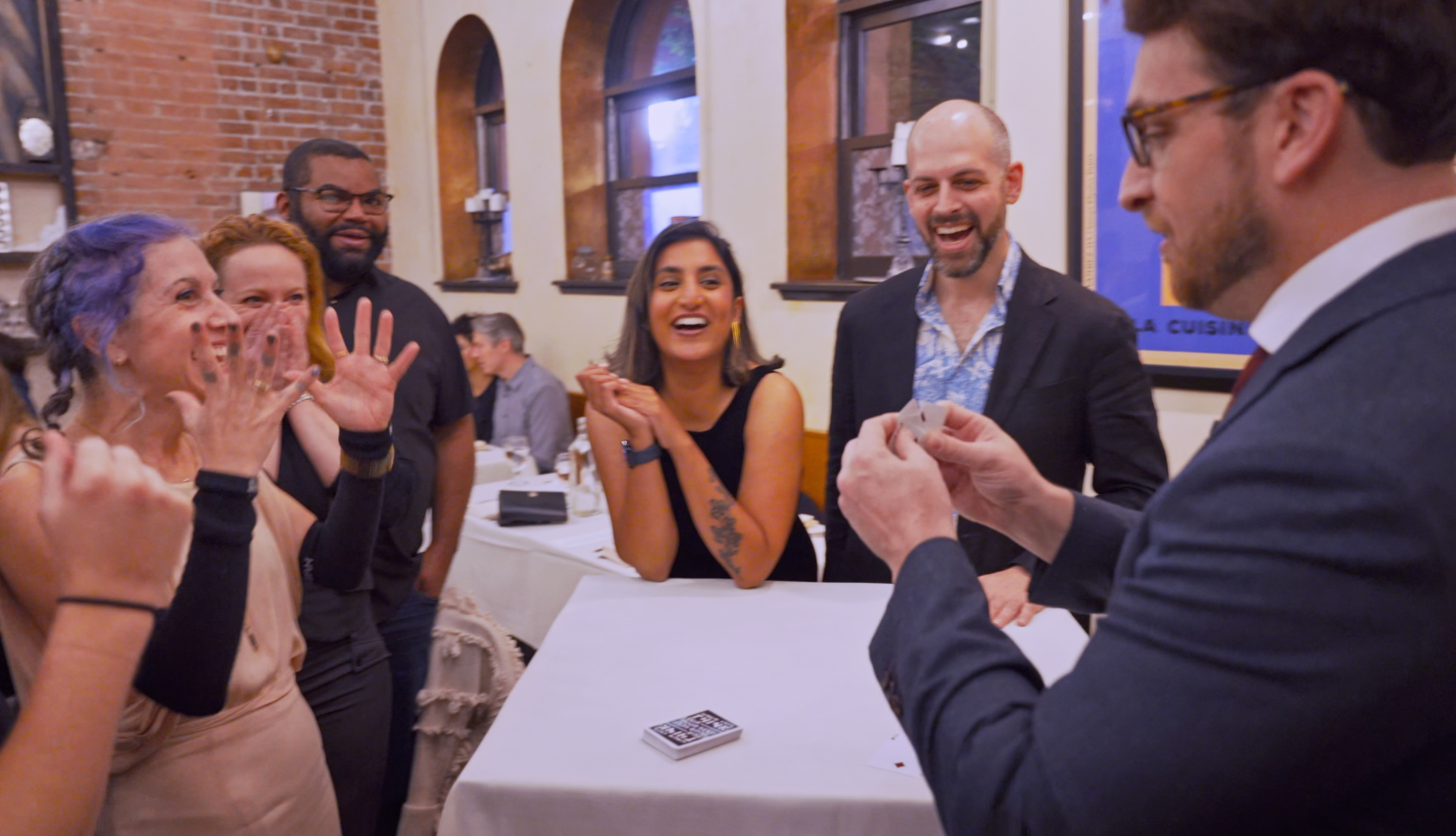
The question worth asking before you book anything
Will guests be talking about this tomorrow?
Not "will it go smoothly?" Not "will people enjoy it in the moment?" Will they find themselves describing it to someone who wasn't there?
If the answer is yes, you've found the right entertainment for your San Francisco event.
-
Interactive, mingling-style entertainment. A performer who moves through the room and creates natural gathering points for small groups. The goal is to give people something to watch, react to, and talk about together, which does the social work of introductions without putting anyone on the spot. Also worth noting: make sure the venue actually allows for conversation. Loud music and networking are a bad combination.
-
Customization and restraint. The entertainment's job at a celebration event is to make the honoree feel like the center of the night, not to make the night about the performer. Look for someone willing to tailor the experience to the specific person being celebrated, and be wary of anyone who pitches a generic act they'd perform anywhere.
-
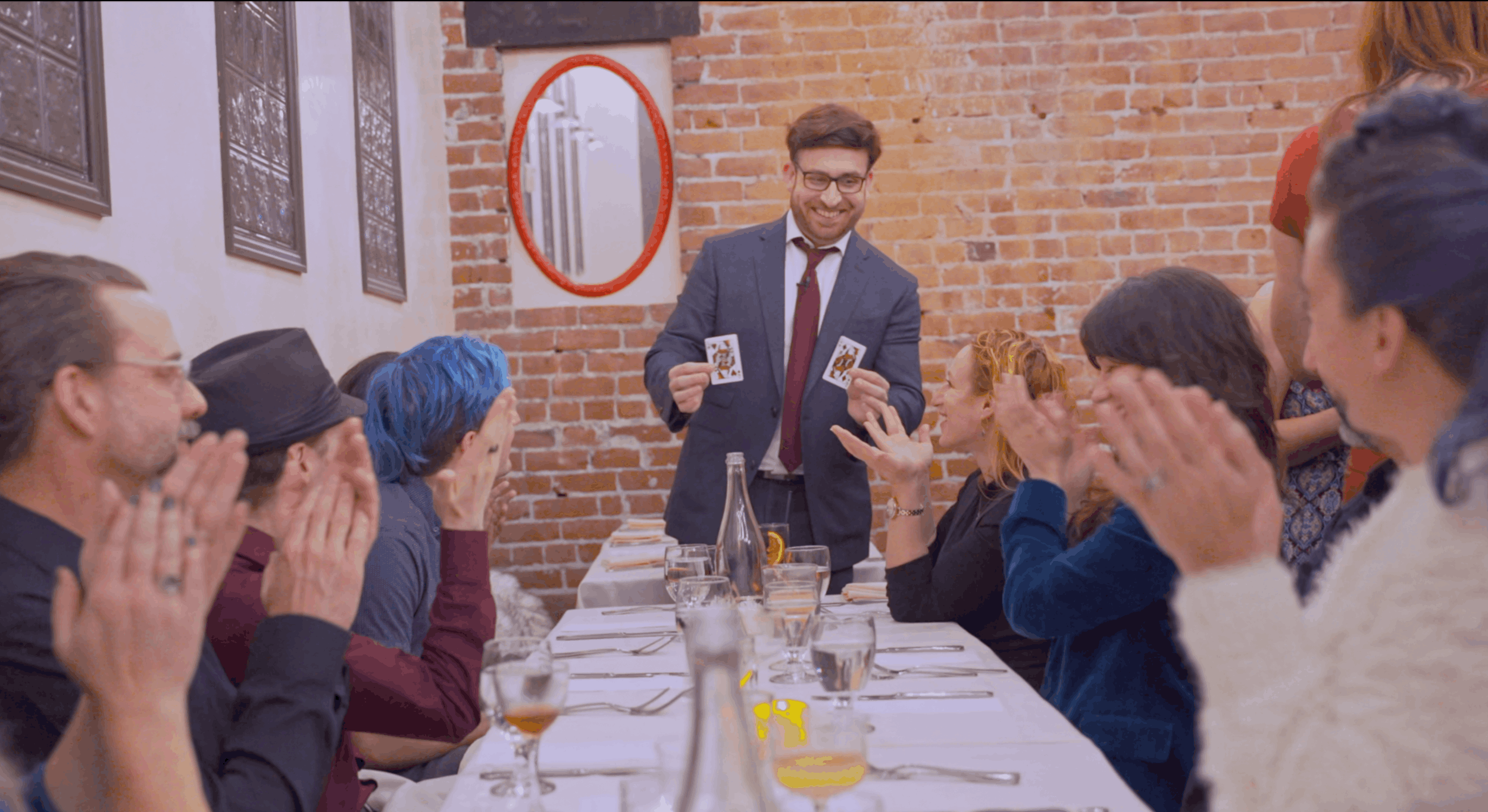
A stage show. The goal is to give tired guests something genuinely worth paying attention to that involves participation, but also allows most people to rest most of the time until they're swept up in the enthusiasm. A good performer can move a room from exhausted to engaged without asking anything of the audience except to watch.
-
Interactive, intellectually engaging entertainment that respects the audience's intelligence. Bay Area corporate crowds are sharp and curious. They respond well to performances with a real point of view that give them something to figure out, rather than passive entertainment that simply happens at them.
-
A stage show is a structured performance for the whole group, best for dinners, award banquets, and all-hands events. Close-up or mingling entertainment means the performer moves through the room, creating small moments for groups of two to five guests. It's best for cocktail receptions and networking events where guests are already moving and talking.
-
For corporate events, four to eight weeks is a reasonable minimum. For Q4 events (October through December), start looking three to four months out. Popular Bay Area performers fill up fast during the holiday season, and the good ones rarely have last-minute availability in November.
If you're planning an event in San Francisco or anywhere in the Bay Area, reach out. Tell me what you're trying to accomplish and I'll tell you honestly whether we're a good fit. If we are, I'll make the whole thing easy.
Check Michael’s availability and start planning your event →
Michael Feldman is a San Francisco-based corporate magician specializing in events across the Bay Area, from cocktail receptions in Soma to stage shows for company all-hands. His performances focus on sleight of hand, transparency, and creating experiences guests actually talk about afterward.
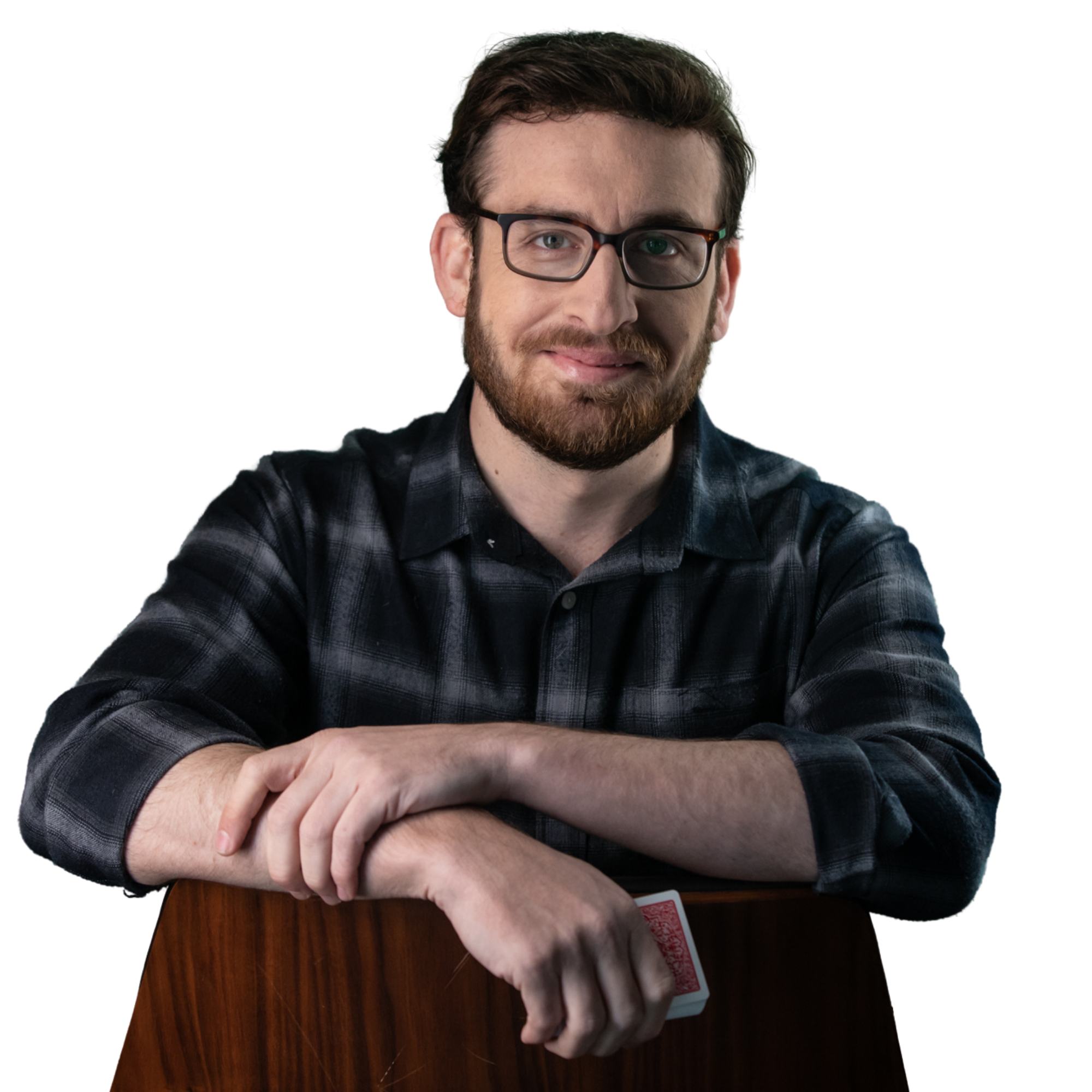
Michael Feldman is a San Francisco based magician specializing in corporate events and private parties across the Bay Area. His contemporary, story-driven performances are designed to engage audiences and create interactive moments people will be talking about for years.