

We love to watch people be the best at what they do. It’s the appeal of the Olympics. It’s the appeal of sports. It’s even the appeal of many reality TV competition shows. But nothing celebrates human skill more effectively than live entertainment.
Audiences Appreciate Live Skill
Every piece of entertainment you watch on a device comes with an asterisk. How many takes did they film before they posted to TikTok? How much editing was there? Can they do that live?
Bay Area audiences, who work in tech and understand software capabilities and post production processing better than most, feel it more acutely than almost anyone.
Live performance removes that qualifier entirely. A performer in the same room as you, doing something extraordinary, with their hands, in real time, with no edits and no safety net, is offering something categorically different. What you see is the actual skill. Nothing else.
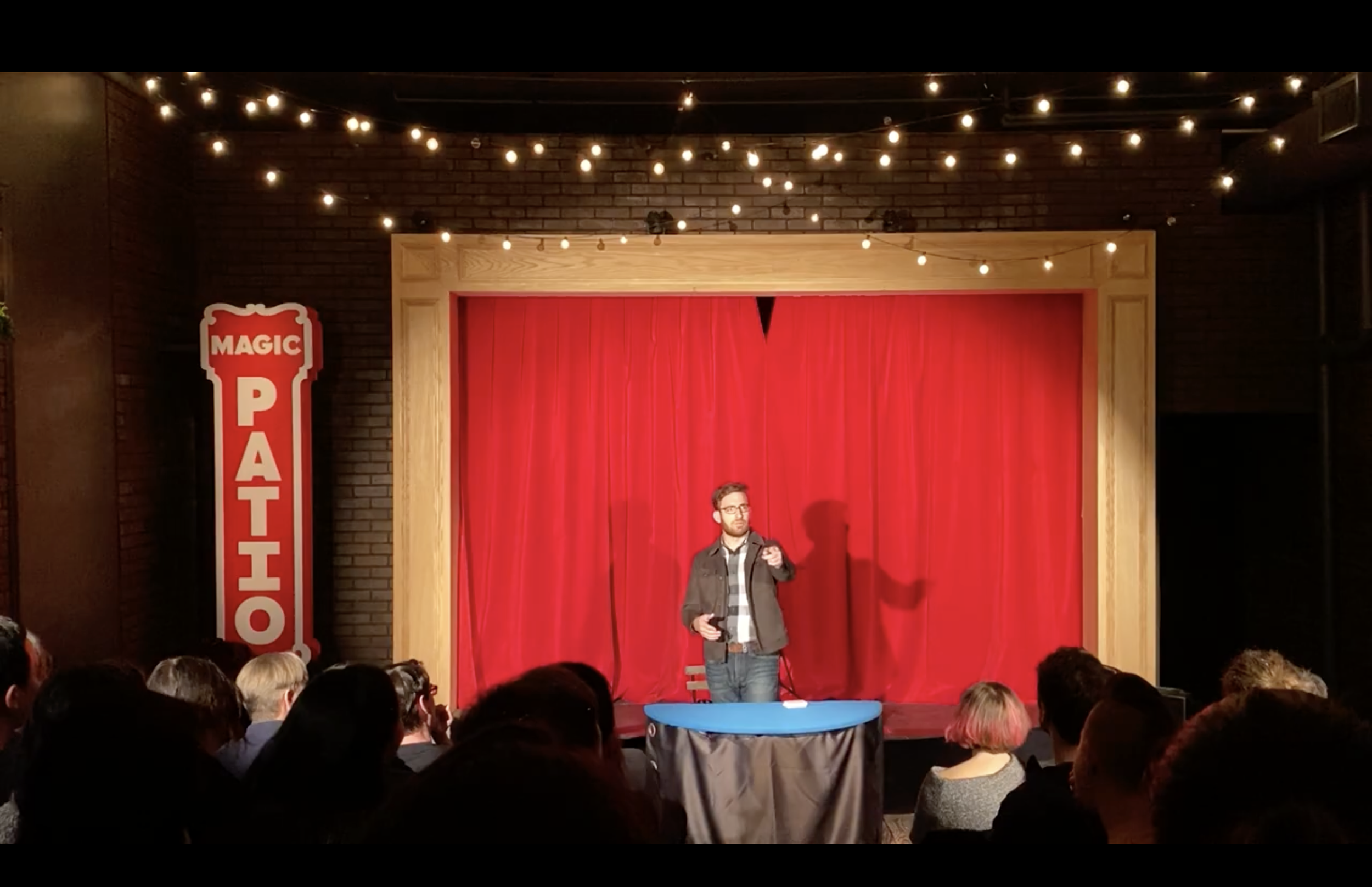
The ‘Olympics’ principle brought to San Francisco
We don't watch the Olympics because running fast is useful. We watch because it’s incredible. We love to see humans do things we never imagined.
Live entertainment works on the same principle, especially sleight–of-hand magic. When you watch A magician performing close-up magic live at a corporate event in Soma, there’s no blaming the cameras. There’s no way to photoshop your eyes as you watch cards disappear at a company celebration in Oakland. What they're offering is a front-row seat to human excellence: something a person has spent years developing, performed in real time, with the full weight of being live and unedited.
That's a very old appeal. And in an era when most entertainment is produced, processed, and optimized before anyone sees it, it's also an increasingly rare one.

What does this have to do with a sword-forger in Toledo, Spain?
On a trip to Toledo, Spain, I spent hours watching the last person there who still forges swords by hand. He is extraordinary.
In the Middle Ages, blacksmithing was a basic necessity. At the time it wasn't appreciated as an art because it was essential to daily life. But today, huddled together with dozens of other visitors in genuine awe of this man's skill, watching him forge a beautiful blade by hand, something shifts. The skill itself becomes the whole point. He's not doing this because the world needs hand-forged swords. He's doing it because the act of doing something extraordinary by hand, and doing it at this level, is compelling in a way that a factory-produced blade never will be.
By medieval standards, my phone is sorcery. Today I rarely give it a second thought. The phone can do almost anything, and because of that it doesn't inspire much wonder. The man forging a blade in Toledo does. And that’s because the skill is rare and that rarity is something we cherish.
Why sleight of hand works this way
Sleight of hand is a bizarre and fascinating way to spend your time on this planet. Who spends days, weeks, or months locked in a room figuring out how to convincingly not shuffle a deck of cards? Apparently, I do.
It turns out, when you tell people that, it's more interesting than claiming you have real powers. It's more interesting to admit that magic takes skill than to claim it's real. People have become so accustomed to the idea that their phones can do almost anything that they're genuinely amazed when someone does something remarkable by hand. A Bay Area magician performing sleight of hand at a corporate event in Berkeley isn't performing a supernatural act. He's performing a deeply human one: years of practice, brought to bear in a room full of people, with no chance to do a second take.
Card tricks might be the least interesting use for real powers. If you could actually snap your fingers and make anything happen, you'd be an idiot to use them to find chosen cards. But sleight of hand is a genuine commitment. The skill is hidden on purpose. The audience knows they're being deceived. And they still can't explain what they saw. That combination, real skill concealed by real skill, is exactly what makes it worth watching.
That's what earns the reaction. Not the claim of real magic. The reality of real skill.
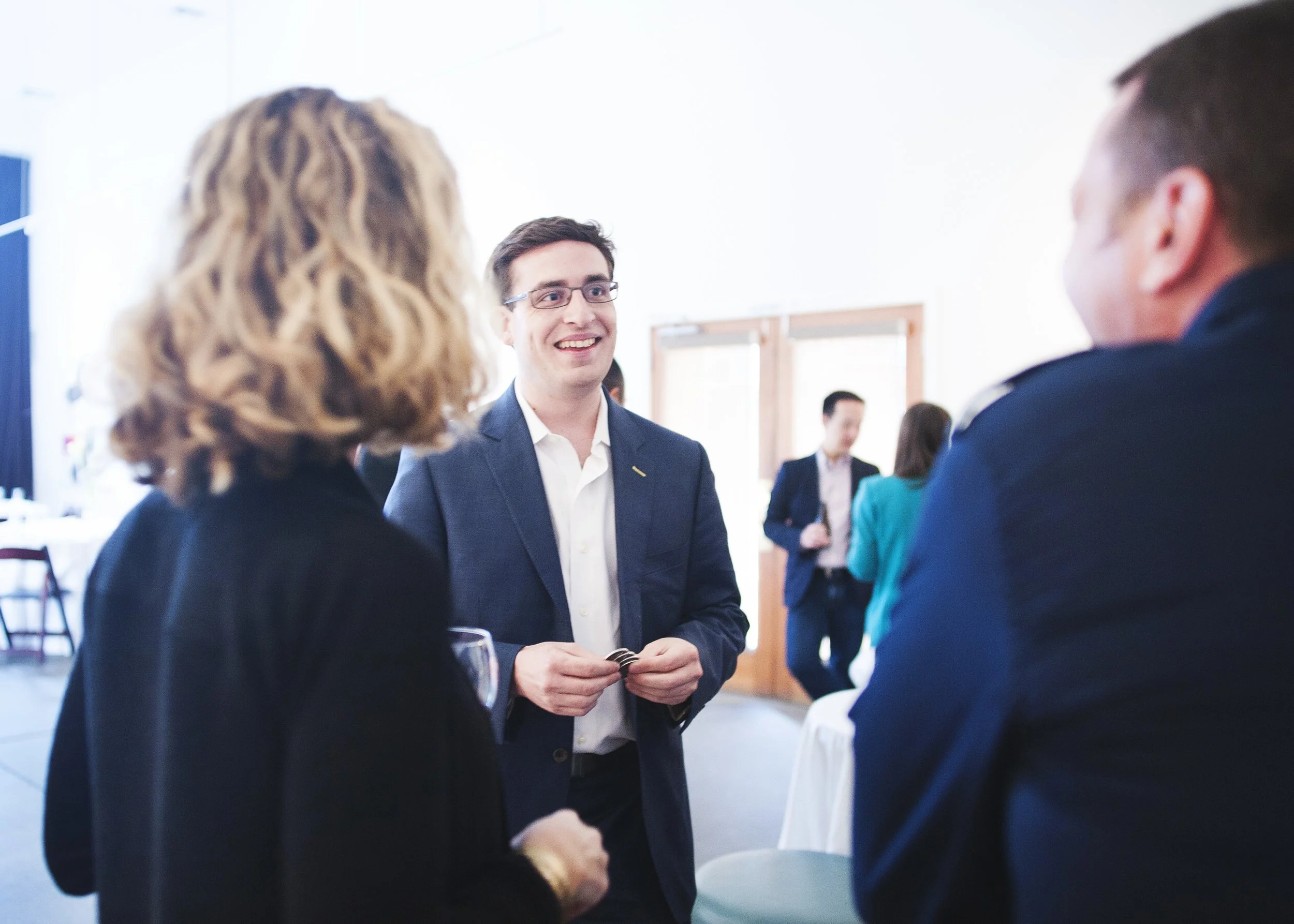
What this means for your Bay Area event
When you book live entertainment for a San Francisco event, you're giving your guests something specific and increasingly rare: the experience of watching a human being do something extraordinary, in person, with nothing between the skill and the audience.
A close-up magician in the SF Bay Area working the cocktail hour at a Soma venue gives your guests exactly that. So does a stage show at a Nob Hill awards dinner or a company all-hands in Oakland. The entertainment isn't just filling time. It's giving the room something to gather around: genuine human skill, performed live, without a net.
That's what they'll be talking about on Monday.
-
On a screen, it’s always possible someone used editing or multiple takes. That’s just part of the zeitgeist now. With live entertainment, what you're watching is the actual skill of the performer, with nothing between the performer’s ability and the audience’s perception. That's a fundamentally different experience, and Bay Area audiences who work in content and tech feel the difference clearly. Live entertainment is also pro-social. It brings people together with others rather than isolated at home.
-
A skilled Bay Area magician is offering something specific: sleight of hand developed over years, performed live with no editing and no second takes. Some Bay Area magicians, myself included, are used to performing for highly educated and intelligent audiences. For instance, I always focus on sleight of hand skill, not any claimed supernatural abilities. For Bay Area corporate crowds who are curious, skeptical, and used to figuring things out, that honest approach tends to generate a far more genuine reaction than entertainment that asks people to suspend disbelief.
-
Live entertainment gives a room a shared experience: the same moment, happening to everyone at the same time, with the same unedited performer in front of them. A team in San Francisco watching something extraordinary happen in real time has a specific collective memory that no recorded entertainment can create. That memory becomes part of the team's shared story.
-
A performer who treats their skill as the actual point of what they do. The most compelling live entertainment is honest about what it is: years of practice, delivered in a room with you, with nowhere to hide. Ask the performer what their show is about. If the answer centers on craft, presence, and genuine skill, you've found the right person.
-
For Bay Area corporate crowds specifically, yes. These are audiences that are sharp, curious, and comfortable engaging with something genuinely difficult to understand. A modern San Francisco magician who is transparent about the craft, treating the performance as a demonstration of real skill rather than a supernatural claim, gives those audiences exactly what they respond to: something to puzzle over, performed by someone who is clearly extraordinary at what they do.
I've been performing close-up and stage magic at Bay Area events for over 20 years, from 10-person private parties in the hills above Oakland to 2,000-person corporate events for companies like Apple, Google, Salesforce, and Cisco. The whole point, every time, is the same: give your guests a front-row seat to something a human being has spent years learning to do, live, in the room, with no safety net. If that sounds like the right fit for what you're planning, reach out. Tell me what you're building and I'll tell you honestly whether I'm the right person for it. If I am, I'll make the whole thing easy.
Check Michael's availability →
Michael Feldman is a San Francisco magician specializing in corporate events and private parties across the Bay Area. His performances focus on sleight of hand, transparency, and creating experiences that guests are still talking about on Monday morning.
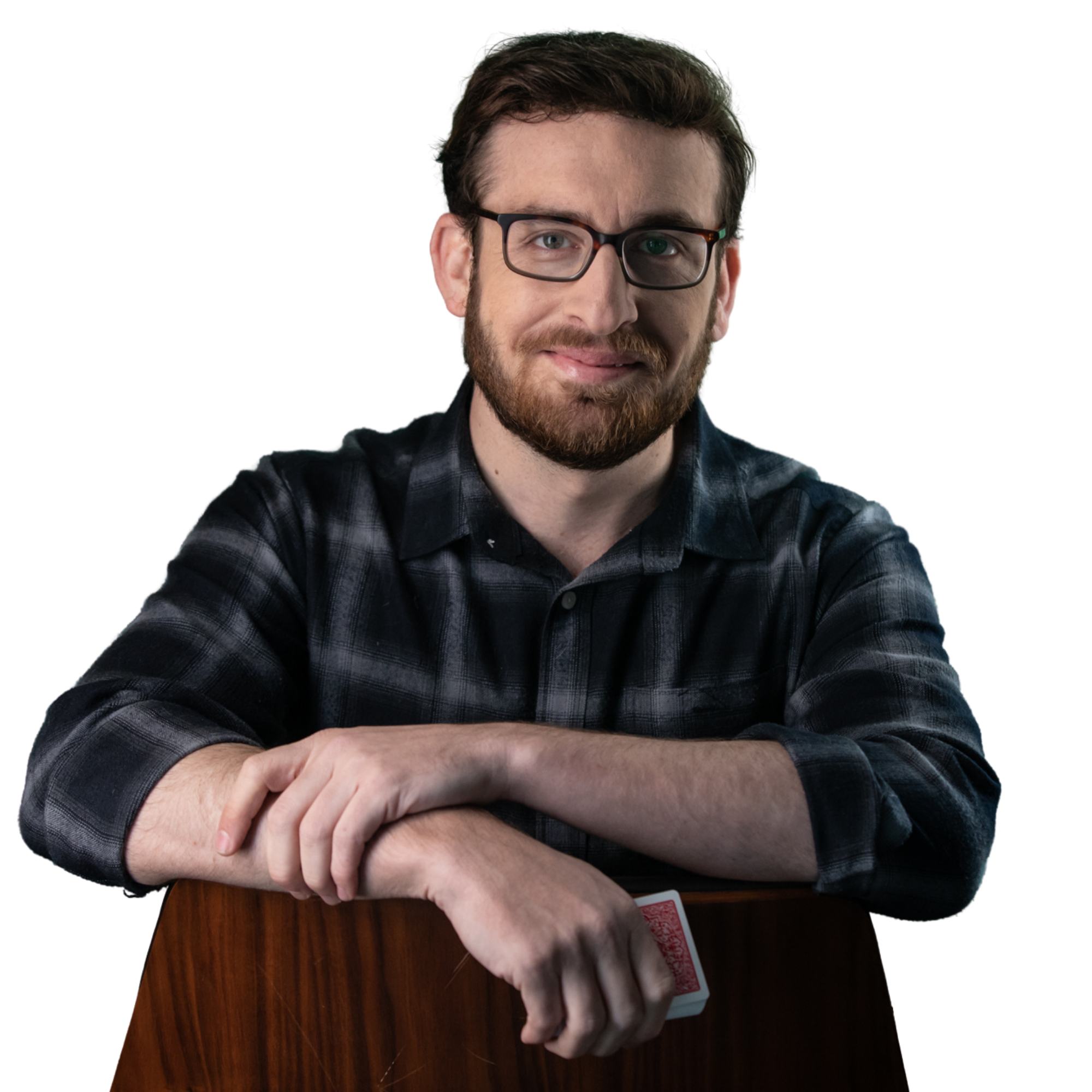
Michael Feldman is a San Francisco based magician specializing in corporate events and private parties across the Bay Area. His contemporary, story-driven performances are designed to engage audiences and create interactive moments people will be talking about for years.